

Application Guide
Hospital and Healthcare Lighting Fixtures
The Jarvis Lighting webpage features a selection of LED hospital and healthcare lighting fixtures designed to meet the unique requirements of medical environments. The collection includes energy-efficient, high-quality lighting solutions for various applications, such as patient rooms, corridors, and operating rooms. Jarvis Lighting ensures optimal illumination, safety, and comfort while promoting a healing atmosphere in healthcare facilities.
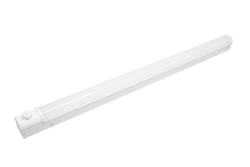
LED Linear Strip Light LSL3 Series
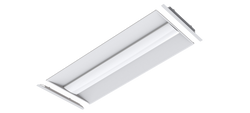
LED Troffer Retrofit Luminaire JTRFRK Series

Jarvis Lighting GTLED Series LED Glass Tube - 4ft, 14W, 5000K, Type B Ballast Bypass
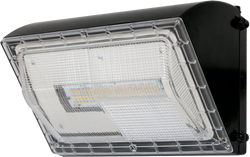
Reliable Outdoor LED Wall Pack – WPFT-E Series
Hospital and Healthcare Lighting
In healthcare lighting, several factors are crucial for ensuring safety, efficiency, and comfort. Proper illumination is essential for visibility, accurate diagnosis, and precise medical procedures. Lighting should promote a healing environment by reducing stress and supporting patients' circadian rhythms. Infection control can be enhanced by incorporating antimicrobial coatings and antibacterial properties in lighting fixtures. Energy efficiency is also important to reduce operational costs and environmental impact. Customizability and adaptability to specific requirements in various hospital areas, such as patient rooms and operating rooms, further contribute to the effectiveness of healthcare lighting solutions.
Best Practices
Prioritize patient comfort
Best Practices
Consider circadian rhythms
Best Practices
Address specific area requirements
Best Practices
Incorporate smart lighting systems
Frequently Asked Questions
Hospital lighting fixtures are designed to cater to specific needs in various areas of a healthcare facility. Commonly used fixtures include ambient lighting, task lighting, and accent lighting. Ambient lighting provides general illumination in patient rooms, corridors, and waiting areas, ensuring proper visibility and safety. Task lighting offers focused illumination for specific tasks, such as reading or medical procedures, and is often adjustable. Accent lighting enhances the aesthetics and creates a soothing environment. Additionally, specialized fixtures like surgical and examination lights are used in operating rooms and examination areas.
Healthcare lighting fixtures play a crucial role in creating a comfortable and healing environment for patients. Proper lighting can reduce stress and anxiety, promote relaxation, and support the circadian rhythm, ultimately aiding in the recovery process. By incorporating natural light, adjustable lighting levels, and color temperatures, hospital lighting fixtures can help create a more homelike atmosphere, fostering better patient experiences and outcomes.
When choosing hospital lighting fixtures, it's essential to consider the specific requirements of each area. For instance, patient rooms should have adjustable lighting to accommodate various needs, such as reading or resting. Operating rooms require high-quality, shadow-free illumination for surgical procedures, while examination rooms need focused, adjustable lighting. Corridors and common areas should have bright, energy-efficient lighting to ensure safety and proper visibility.
Hospital and healthcare lighting fixtures must meet specific safety and compliance standards to ensure a safe and effective environment. This includes adhering to guidelines set by regulatory bodies, such as the International Electrotechnical Commission (IEC) and the National Electrical Code (NEC), as well as industry standards like the Illuminating Engineering Society (IES). These standards cover aspects like ingress protection, electrical safety, performance, and energy efficiency to ensure that hospital lighting fixtures provide optimal illumination without compromising safety or functionality.
Smart lighting systems and the Internet of Things (IoT) are transforming hospital and healthcare lighting management by enabling more efficient and adaptable solutions. These systems can monitor and adjust lighting levels based on factors like natural light availability, occupancy, and time of day. IoT-enabled hospital lighting fixtures can be integrated with other building systems to optimize energy consumption and streamline facility management. Additionally, smart lighting can enhance patient experience by allowing for personalized lighting preferences and improve staff productivity through better visibility and alert systems.

