

Application Guide
Industrial Lighting Fixtures
Our extensive range of industrial lighting solutions is designed to cater to a variety of applications, including warehouses, manufacturing facilities, workshops, and more. We understand the importance of reliable, energy-efficient, and durable lighting in creating a safe and productive work environment. Browse our comprehensive collection and find the perfect lighting solution tailored to meet the unique requirements of your industrial space.
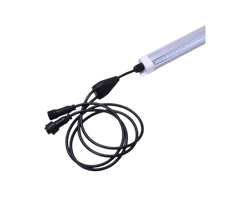
LED Cooler or Refrigerator Light - 4, 5 or 6 feet RLED-G3 Series
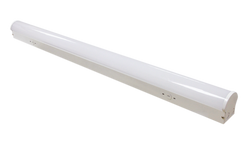
LED Linear Strip Light LSL2 Series
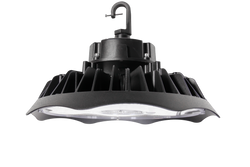
LED Round High Bay Black A51-A Series - Dimming Only
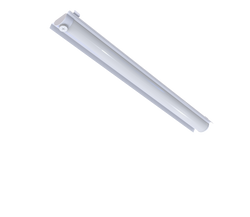
SRK-N Series LED Linear Strip Retrofit Luminaire

LED Linear High Bay Light White HBL-A Series - Selectable Wattage and CCT

LED Round High Bay Black A51-A-G2 Series

Jarvis HBL-SC Series LED High Bay Light - 165W, 22,630 lm, 5000K, Easy Install, Energy Efficient
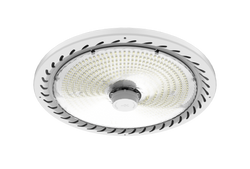
LED High Bay Light Black HBR-G2 Series
Industrial Lighting
Industrial lighting encompasses durable, energy-efficient fixtures designed for demanding environments like warehouses, factories, and workshops. These solutions prioritize safety, productivity, and cost-effectiveness, catering to the specific needs of each application. High-quality industrial lighting options include LED high bay lights, linear fixtures, and floodlights, offering reliable and long-lasting illumination for various industrial settings.
Best Practices
Ensure adequate illumination by selecting the correct lumen output and color temperature for specific tasks and areas within the facility.
Best Practices
Opt for fixtures with high ingress protection (IP) ratings to withstand harsh industrial environments and protect against dust and moisture.
Best Practices
Prioritize safety by selecting industrial lighting fixtures with features like shatter-resistant lenses and explosion-proof designs.
Best Practices
Consider adjustable and dimmable fixtures to allow customization of lighting levels based on changing needs.
Frequently Asked Questions
To determine the appropriate lumen output, consider factors such as the size and height of the space, the tasks being performed, and the desired light levels. As a general rule, you can calculate the needed lumens by multiplying the square footage of the area by the recommended foot-candles (light level) for the specific task. For instance, a warehouse may require 10-20 foot-candles, while precision tasks may need 50-100 foot-candles.
Industrial LED lighting is versatile, used in applications such as general lighting, task lighting, high/low bay lighting, outdoor area lighting, emergency lighting, explosion-proof lighting, machine lighting, inspection lighting, and signage/wayfinding. These lights enhance visibility, productivity, and safety in various settings, including warehouses, manufacturing facilities, and hazardous environments. LED lights provide energy-efficient, durable, and bright illumination, making them ideal for diverse industrial applications.
Industrial LED lights generally have low maintenance requirements due to their long lifespans and durable construction. However, it's essential to periodically inspect and clean the fixtures to ensure optimal performance, especially in environments with high dust or moisture levels. Dust and debris should be removed with a soft brush or cloth, and any accumulated moisture should be wiped away with a dry cloth. Always ensure the fixtures are switched off and cool to the touch before cleaning. Additionally, periodically check for any signs of wear or damage, such as loose connections, flickering, or dimming, and address these issues promptly to maintain optimal lighting performance and safety in your industrial space.
Many industrial LED lights are dimmable, allowing for greater control over light levels and energy consumption. However, it's essential to check the product specifications for compatibility with dimming systems to avoid issues like flickering or reduced lifespan.
Yes, hazardous location lighting in industrial spaces must comply with regulations and standards, such as those established by the National Electrical Code (NEC) and the International Electrotechnical Commission (IEC). These regulations classify hazardous locations based on the presence of flammable gases, dust, or fibers and require the use of specially designed and certified lighting fixtures, such as explosion-proof or intrinsically safe LED lights.

