

Application Guide
Public Lighting for Parks and Outdoor Recreational Spaces
Welcome to Jarvis Lighting's collection of public lighting for parks and outdoor recreational spaces! Drawing from industry-leading expertise and cutting-edge technology, our energy-efficient and visually stunning lighting solutions enhance safety, aesthetics, and sustainability. Discover how our versatile park lighting options can transform your recreational areas, creating enjoyable experiences for visitors and communities alike

LED Post Top Luminaire PTL Series
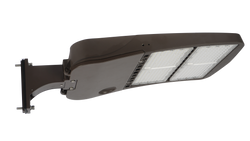
LED Pole Mounted Area Lights JSAL Series - Bronze
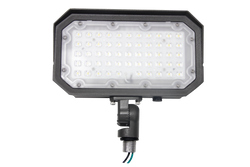
FLD-G2 Series LED Flood Light Luminaire
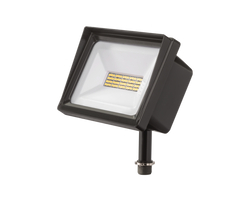
FLD Series LED Flood Light Luminaire
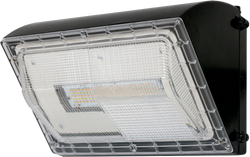
Reliable Outdoor LED Wall Pack – WPFT-E Series
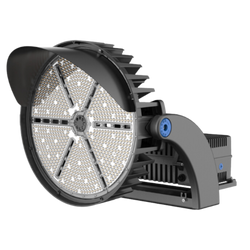
High-Performance LED Stadium Sport Light – JSPORT-MAX Series

JSPORT-W Series LED Sports Lights: 400W & 600W Options
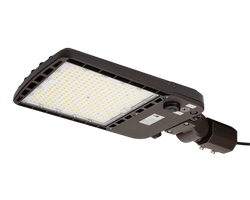
LED Pole Mounted Area Lights JSAL-G2 Series - Bronze (Mount sold separately)

LED Pole Mounted Area Lights JSAL-G2 Series - White (Mount sold separately)
Lighting for Parks and Outdoor Recreational Spaces
Park lighting is essential for creating safe, inviting, and enjoyable public spaces. By incorporating energy-efficient LED technology, distinct lighting zones, and Dark Sky-compliant fixtures, lighting for parks can be both aesthetically pleasing and environmentally friendly. Smart controls and proper pole placement enhance the user experience, while regular maintenance ensures longevity and performance. Balancing safety, visibility, and ambiance, well-designed park lighting fosters community engagement and promotes the use of public spaces.
Best Practices
Create distinct lighting zones
Best Practices
Prioritize safety and visibility
Best Practices
Opt for Dark Sky-compliant fixtures
Best Practices
Incorporate smart lighting controls
Frequently Asked Questions
When designing park lighting, it is crucial to consider factors such as safety, visibility, aesthetics, and sustainability. Lighting for parks should create a welcoming atmosphere while ensuring the safety and security of visitors. Effective lighting plans account for various activity zones, such as walking paths, playgrounds, and sports facilities, and provide appropriate illumination levels and color temperatures to enhance the overall experience.
Proper park lighting is essential for ensuring safety and security in public spaces. Well-lit areas not only deter crime but also help prevent accidents by illuminating potential hazards like uneven surfaces and obstacles. Effective lighting for parks encourages visitors to feel comfortable and at ease, promoting a sense of community and increasing the use of public spaces during both day and night.
Smart lighting controls are a valuable tool in optimizing energy consumption and reducing light pollution in parks. Features such as motion sensors, timers, and dimming capabilities allow park lighting systems to adapt to changing conditions and usage patterns, minimizing energy waste. In addition, smart controls can help to maintain consistent lighting levels while adhering to Dark Sky requirements, contributing to a more sustainable and environmentally friendly park environment.
To ensure optimal performance and coverage, it is important to consider spacing and mounting heights for light poles in park settings. Pole height should correspond with the area's size and usage, while spacing should provide adequate illumination without creating dark spots or excessive glare. Proper pole placement and mounting height for park lighting can enhance visibility and safety, ensuring an enjoyable experience for visitors and promoting a sense of well-being.
Meeting Dark Sky requirements and minimizing light pollution in parks involves careful planning and design. Selecting appropriate fixtures, such as full-cutoff luminaires, can help to direct light downward and prevent excessive glare or skyward illumination. Adjusting color temperature and brightness levels, utilizing smart controls, and following best practices for pole spacing and mounting height can all contribute to a park lighting system that respects the night sky and reduces its impact on the surrounding environment.

